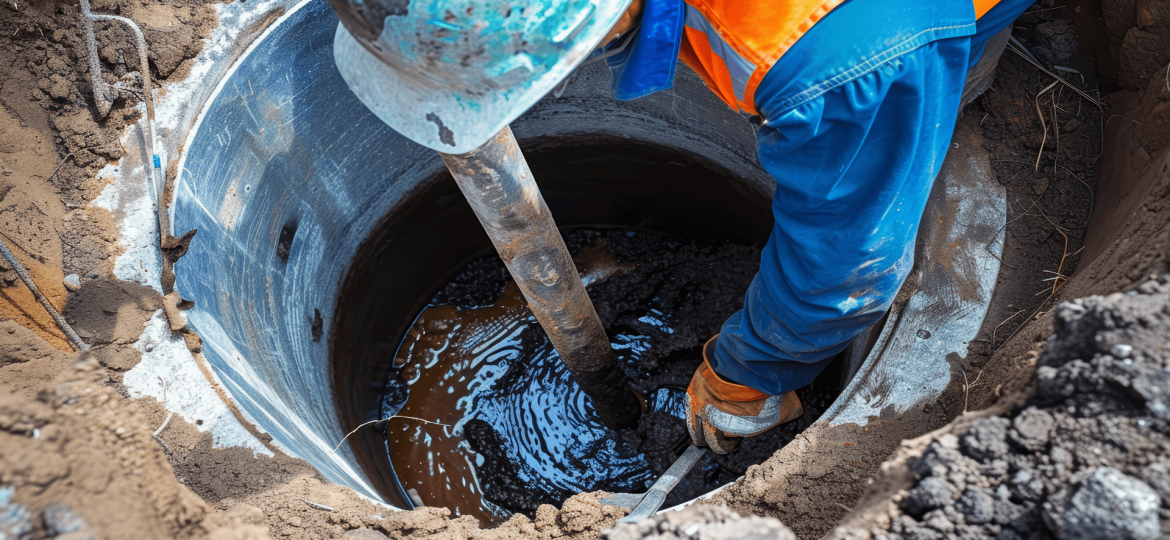
Renovating a home in the Metro East is exciting, but the plumbing behind your walls has to meet strict standards. Plumbing code violations are among the most common reasons remodels fail inspection, and they can lead to costly rework, water damage, and health hazards. Whether you are updating a bathroom, expanding a kitchen, or finishing a basement, knowing the most frequent code mistakes helps you avoid expensive surprises. Here are the top issues local renovators run into and how to keep your project compliant.
Why Plumbing Code Violations Matter
Plumbing codes exist to protect your health, your home, and your water supply. They govern everything from drainage to venting to backflow prevention.
When work does not meet code, the consequences go beyond a failed inspection. Violations can surface years later during a home sale, an insurance claim, or a sudden plumbing failure. Fixing them after the walls are closed up is far more expensive than doing the work right the first time.
The Most Common Plumbing Code Violations
Certain mistakes show up again and again during renovations, especially when work is rushed or done without a permit. The most frequent offenders include:
- Improper drain slope: Pipes need a precise grade to drain correctly.
- Bad or missing venting: Without proper venting, drains gurgle and sewer gas can enter the home.
- Outdated S-traps: These obsolete traps can siphon dry and are no longer code-compliant.
- Missing cleanouts: Code requires access points for clearing clogs.
- Unapproved materials: Corrugated piping and the wrong fittings often fail inspection.
- No dishwasher air gap: A frequent kitchen-remodel miss that risks backflow.
Getting the drain slope right is one of the most overlooked details. According to the International Plumbing Code, horizontal drainage pipes 2.5 inches or smaller must slope at least 1/4 inch per foot. Too little slope and waste sits in the pipe. Too much and water outruns the solids, leaving clogs behind.
Venting Mistakes Deserve Special Attention
Venting is one of the most misunderstood parts of any plumbing system, which makes it a leading source of plumbing code violations. Proper vents let sewer gases escape and keep trap seals intact.
Common venting errors include:
- Tying vents together incorrectly
- Terminating vents too close to windows or roof edges
- Installing fixtures with no vent at all
- Using air admittance valves where they are not permitted
Any of these can trigger a failed inspection and create real safety risks inside your home.
How to Avoid These Costly Mistakes
The good news is that nearly all of these problems are preventable. A few smart steps protect your renovation from the start:
- Pull the proper permits before any work begins.
- Avoid DIY plumbing on anything beyond simple fixture swaps.
- Confirm your jurisdiction’s exact code requirements, since local rules can vary.
- Hire a licensed plumber for rough-in and final inspections.
Working with experienced residential plumbing professionals means your renovation is done to code the first time. For remodels and additions, proper plumbing fixture installation ensures every sink, toilet, and appliance is connected correctly and passes inspection.
Keep Your Renovation Compliant With Litteken Plumbing
Avoiding plumbing code violations comes down to preparation, permits, and professional workmanship. Cutting corners almost always costs more in the long run, while doing it right protects your home and your investment.
Litteken Plumbing has served the St. Louis Metro East area for more than 25 years with reliable, code-compliant work from state-licensed professionals. Planning a renovation? Contact our team today to make sure your project starts and finishes the right way.
FAQs
What are the most common plumbing code violations found in Metro East renovations?
The most frequent issues include improper venting, incorrect pipe slope, missing shutoff valves, and unpermitted DIY work that doesn’t meet local code.
Can I get fined for plumbing code violations in a renovation project?
Yes. Local inspectors can issue fines or require costly rework if violations are found, especially during permit inspections.
Do older homes in Metro East need special plumbing considerations during renovation?
Older homes often have outdated materials like galvanized pipe or cast iron, which may need to be updated to meet current code requirements.
How do I know if my contractor is following plumbing code?
Ask for proof of licensing, permit pulls, and a final inspection sign-off. A reputable contractor will welcome these questions.
What happens if a plumbing violation is found after renovation is complete?
You may be required to open up walls or floors to correct the issue, which adds cost and delays. Catching violations early is far more affordable.