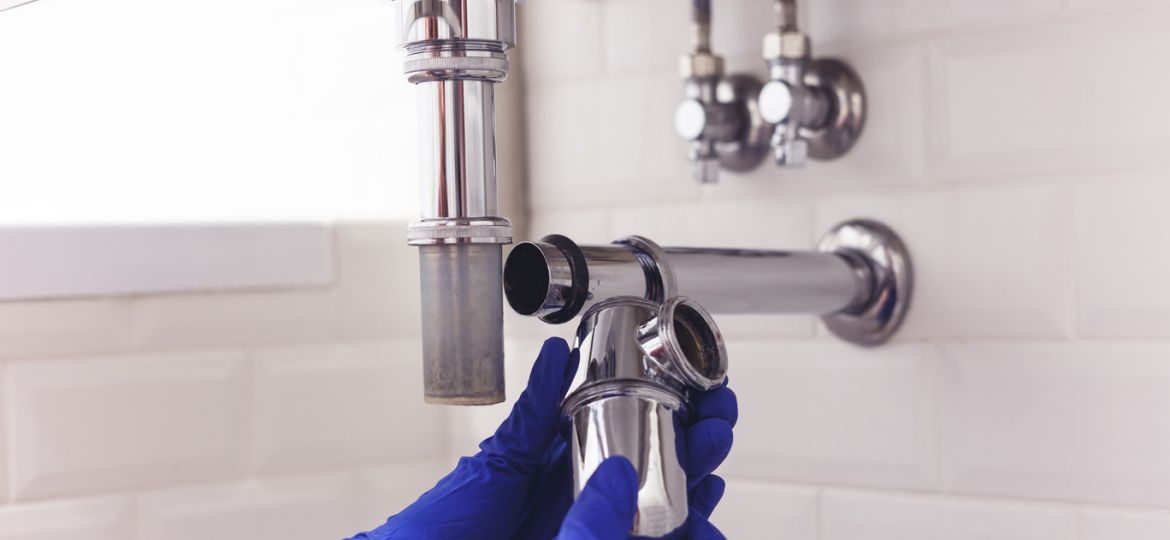
A clogged bathroom sink has a way of turning a minor inconvenience into a real disruption. Whether water is draining slowly or not at all, the cause is almost always something in the drain trap or line that has built up enough to restrict flow. Knowing the right steps to take first can save you time, prevent damage, and help you decide when it is time to call a plumber.
What Causes a Clogged Bathroom Sink?
Before reaching for any tools or products, it helps to understand what is typically causing the problem. The most common culprits are:
- Hair: the single most frequent cause, accumulating quickly near the drain stopper and forming a dense tangle that traps soap and other debris
- Soap scum: bar soap in particular leaves behind a residue that coats pipe walls and builds up over time
- Toothpaste and personal care product residue: these can contribute to blockages when they accumulate near the P-trap
- A partially closed or stuck drain stopper: sometimes the issue is the stopper itself, not a blockage in the pipe
Identifying the likely cause before you act makes the process faster and more effective.
Step One: Try the Drain Stopper First
Many clogged bathroom sink issues are located right at the stopper, not deeper in the pipe. If your sink has a pop-up stopper, try removing it by unscrewing the pivot rod nut beneath the sink and pulling the stopper out from the top. Clean off any hair and debris, rinse the stopper, and reinstall it. This alone resolves a significant number of slow drain complaints.
Step Two: Use a Drain Snake or Zip-It Tool
If removing the stopper does not clear the issue, a small plastic drain snake, often sold as a Zip-It tool, can reach several inches into the drain to grab hair and debris. Insert it slowly and rotate as you pull it back out.
Avoid using a standard metal plumbing snake in a bathroom sink without care. The chrome finish on drain fittings can be scratched, and the small diameter of the P-trap limits how far a larger tool can reach before causing damage.
Step Three: Know When to Avoid Chemical Drain Cleaners
Chemical drain cleaners are widely available but come with real risks. According to the American Water Works Association, caustic and acid-based drain cleaners can corrode certain pipe materials over time and are not recommended for frequent use in residential plumbing.
Beyond the pipe concern, if a chemical cleaner does not fully clear the blockage, it leaves a reservoir of corrosive liquid in the trap that makes manual intervention more dangerous for anyone who works on the drain afterward.
For a clogged bathroom sink that does not respond to mechanical methods, a professional with the right tools is a safer and more reliable option than repeated chemical treatments.
When to Call a Plumber
Some clogged bathroom sink situations are beyond what a homeowner can address safely:
- The clog is recurring within weeks of being cleared
- Multiple fixtures are draining slowly at the same time, suggesting a deeper line issue
- There is a foul odor that persists after the visible blockage is removed
- The drain is completely stopped and household tools have not made a dent
Our residential plumbing services handle drain clogs of every type, from simple stoppage to more complex blockages in the line.
For persistent or recurring clogs that suggest a more significant issue in the sewer line, our sewer line cleaning service can assess and clear the problem at the source.
Let Litteken Plumbing Clear It Right
A clogged bathroom sink is a fixable problem. When household methods are not enough, Litteken Plumbing is here to help with fast, reliable service throughout the Metro East.
Contact us today to schedule your drain service in Trenton, Belleville, O’Fallon, Edwardsville, or anywhere in the surrounding area.
FAQs
What’s the first thing I should do when my bathroom sink is clogged?
Try removing visible debris from the drain opening or using a plunger before reaching for chemical cleaners.
Are chemical drain cleaners safe for a clogged bathroom sink?
They can damage pipes over time and aren’t always effective on hair or soap scum clogs, so use them sparingly.
What usually causes a clogged bathroom sink?
Hair, soap residue, and toothpaste buildup are the most common culprits in bathroom sink clogs.
Can I use a drain snake to clear a bathroom sink clog myself?
Yes, a simple drain snake or zip-it tool can often clear shallow clogs without professional help.
When should I call a plumber for a clogged bathroom sink?
If the clog persists after basic methods, or water backs up into other fixtures, it’s time to call a plumber.