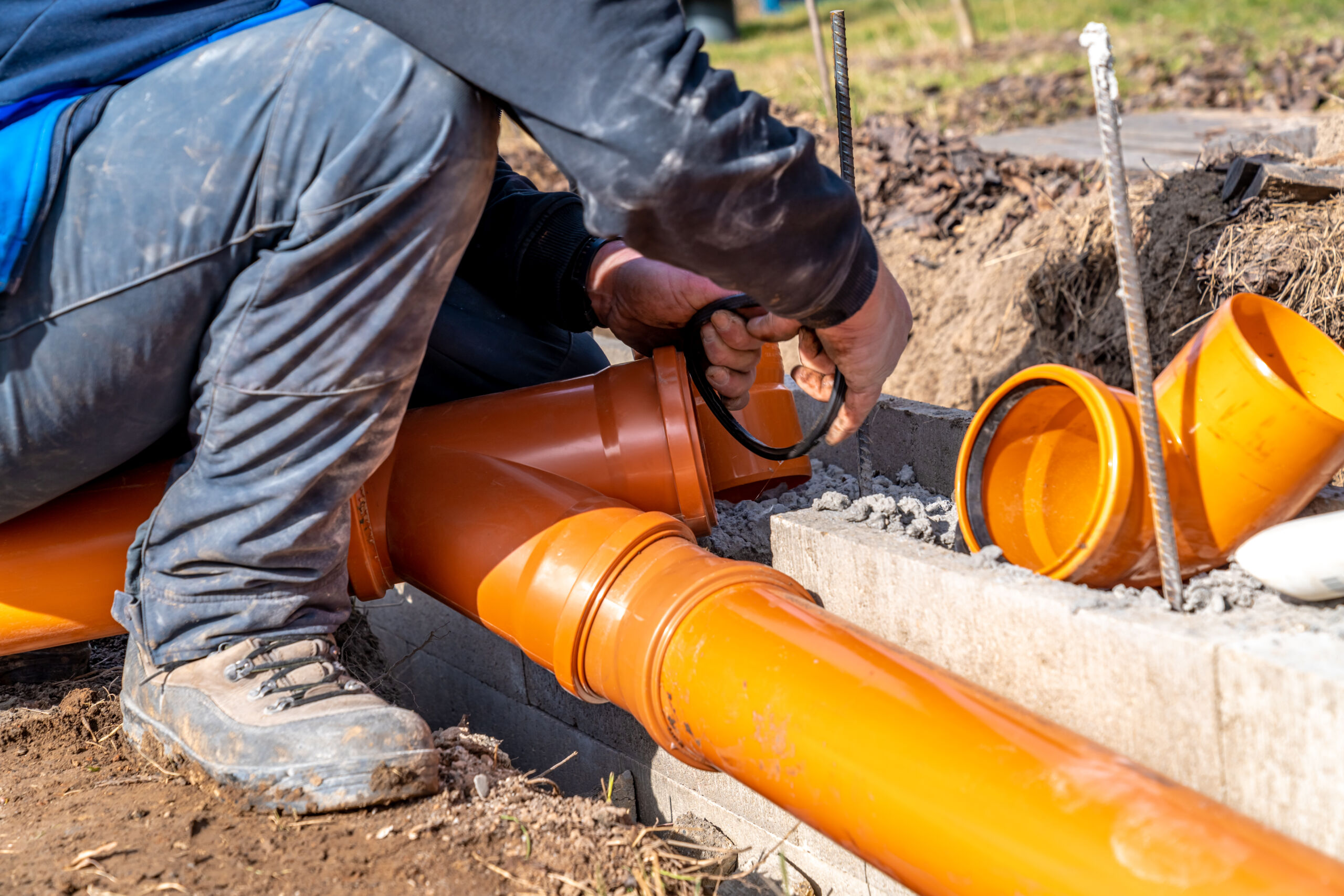
Dealing with sewer line damage or major pipe issues is one of the most stressful situations a homeowner can face. Traditionally, repairing underground plumbing required digging large trenches across yards, driveways, landscaping, and sometimes even sidewalks. Today, trenchless plumbing has changed everything. It is one of the most advanced, efficient, and cost effective ways to repair underground pipes without tearing apart your property.
Homeowners throughout Highland, Edwardsville, Glen Carbon, Troy, O’Fallon, and other Metro East communities are increasingly choosing trenchless plumbing solutions because they want permanent repairs without the mess and disruption of traditional excavation. If you are facing recurring sewer backups, slow drains, or suspected pipe damage, understanding how trenchless systems work can help you make an informed decision.
What Is Trenchless Plumbing?
Trenchless plumbing refers to methods that repair or replace underground pipes with minimal digging. Instead of excavating your entire yard, technicians use small access points to complete the work from above ground.
Common trenchless techniques include:
• Pipe lining (cured in place pipe or CIPP)
• Pipe bursting
• Trenchless sewer replacement
• Camera inspection and hydro jetting
These solutions allow homeowners to fix damaged pipes quickly and cost effectively, even in older homes found across the Metro East.
Why Homeowners Choose Trenchless Plumbing
Traditional sewer repair can tear up lawns, remove mature landscaping, crack driveways, and leave yards looking like construction zones. Trenchless plumbing avoids these issues entirely. Here are the biggest benefits.
1. Minimal Damage to Your Property
One of the top reasons homeowners in Highland and Edwardsville prefer trenchless plumbing is the reduced property damage. Instead of digging long trenches, only one or two small access holes are needed.
This means:
• No destroying your lawn
• No ripping out your garden
• No removing trees or shrubs
• No major driveway demolition
Older neighborhoods like Glen Carbon and Troy often have established landscaping that residents do not want disturbed. Trenchless methods keep your property intact.
2. Faster Completion Time
Traditional excavation can take several days or even weeks. Trenchless plumbing is much faster.
Most trenchless jobs can be completed in:
• A few hours for simple lining
• One day for full pipe replacement
• Two days for complex systems
This faster turnaround reduces downtime and gets your home back to normal quickly.
3. Long Lasting Results
Trenchless repairs are extremely durable. Pipe lining creates a new, seamless, corrosion-resistant pipe inside your old one. Pipe bursting replaces damaged lines with high-strength materials designed to last for decades.
Benefits include:
• Resistance to corrosion
• Seamless construction that prevents future leaks
• Long term reliability in difficult soil conditions
• Stronger than many original pipes
Homes in O’Fallon, Highland, and other Metro East areas with aging clay or cast iron sewer lines see major improvements after trenchless repairs.
4. Cost Efficient in the Long Run
While the upfront cost of trenchless plumbing is sometimes slightly higher than traditional methods, homeowners usually spend less overall. Why? Because there is no need to spend money repairing landscaping, driveways, patios, or sidewalks afterward.
With trenchless plumbing, you avoid:
• Yard restoration
• Concrete replacement
• Driveway patches
• Landscaping repair
When you factor in these savings, trenchless solutions often cost less than traditional digging.
5. Environmentally Friendly
Trenchless plumbing minimizes soil disruption and preserves the natural environment. Only a small portion of the yard is disturbed, which protects:
• Tree roots
• Ground structure
• Garden beds
• Soil stability
Less excavation also means fewer trucks, less waste, and minimal environmental impact. This is especially beneficial in older, tree lined neighborhoods across Edwardsville and Glen Carbon.
6. Safer for Homes and Nearby Structures
Excavation can weaken soil and impact nearby foundations, sidewalks, or driveways. Trenchless plumbing keeps the ground stable by avoiding major digging.
This prevents:
• Soil collapse
• Driveway shifting
• Foundation stress
• Damage to nearby utilities
Homes with tight property lines, retaining walls, or shared driveways particularly benefit from this method.
7. Ideal for Older Homes in the Metro East
Many homes in Highland, Edwardsville, and Troy were built decades ago with outdated sewer systems. Clay pipes, cast iron lines, and deteriorating joints are common. Trenchless plumbing is highly effective for these older systems because it can repair failing pipes without removing them.
Pipe lining reinforces aging pipes from the inside, giving homeowners a new, modernized system without tearing up historic properties.
8. Better Flow and Function
Trenchless techniques often improve water flow and eliminate long term blockages. A newly lined pipe or replaced sewer line has zero joints, cracks, or rough surfaces for debris to catch on.
This results in:
• Faster drainage
• Fewer clogs
• Reduced risk of backups
• Smooth water flow
Hydro jetting and camera inspections, which are often part of trenchless plumbing, also help clear out years of buildup common in homes across the Metro East.
9. Prevents Future Problems
Trenchless repairs address not only the visible problems but also the hidden issues inside your sewer line. With techniques like pipe lining, homeowners get an entirely new pipe surface that resists:
• Root intrusion
• Corrosion
• Cracking
• Leaks
• Joint separation
This helps prevent costly emergency repairs down the road.
10. Increases Home Value
A newly repaired or replaced sewer line is a major selling point for buyers in competitive markets like Edwardsville, Glen Carbon, and O’Fallon. No homeowner wants to inherit a failing sewer system. Trenchless plumbing is viewed as a modern, long lasting upgrade that reduces future expenses.
Why Choose Litteken Plumbing for Trenchless Solutions
Litteken Plumbing has been trusted throughout the Metro East for decades. Our trenchless plumbing services help homeowners fix sewer problems quickly, safely, and with minimal disruption.
We provide:
• Upfront, honest pricing
• Detailed camera inspections
• Expert pipe lining and bursting solutions
• Emergency service when needed
• Local knowledge of Metro East soil and pipe conditions
• Repairs that meet city codes in Highland, Edwardsville, Glen Carbon, Troy, and more
We understand the unique challenges of older homes and modern properties throughout Madison and St. Clair counties.
Restore Your Sewer Line the Smart Way
If you are experiencing sewer backups, slow drains, or suspected pipe damage, trenchless plumbing may be the best solution. It is fast, clean, durable, and affordable compared to traditional excavation.
Contact Litteken Plumbing today to schedule an inspection and find out whether trenchless plumbing is right for your home.
FAQ
What types of plumbing problems can trenchless methods fix? Trenchless plumbing can address sewer line damage, root intrusion, corroded pipes, collapsed lines, and recurring blockages. Common techniques include pipe lining, pipe bursting for full replacement, and hydro jetting combined with camera inspection for diagnosis and cleaning.
Is trenchless plumbing more expensive than traditional excavation? The upfront labor costs can be comparable or slightly higher, but trenchless work typically costs less overall because it eliminates the need for landscaping restoration, driveway repair, and yard reconstruction after the job is done.
How long do trenchless repairs last? A properly installed cured-in-place pipe lining is designed to last 50 years or more. The seamless, corrosion-resistant surface also reduces the chance of future root intrusion or joint failure compared to older pipe materials.
Can trenchless plumbing be used on older clay or cast iron sewer lines? Yes, and it is often the preferred option for these materials. Pipe lining reinforces the inside of deteriorating clay or cast iron pipes without requiring full excavation. Pipe bursting is used when the existing line needs to be fully replaced.
Will trenchless plumbing work if my sewer line has multiple bends or connections? In most cases, yes. Modern trenchless equipment is flexible enough to navigate bends and transitions. A camera inspection is performed first to assess the line’s condition and layout, which helps the plumber determine the best approach.