Whether you are building a new home, expanding a business, or developing a commercial property, the plumbing system you install now will affect your building for decades. Construction plumbing is the foundation of any successful build, and choosing the wrong contractor can lead to leaks, code violations, and expensive rework. At Litteken Plumbing, we have seen firsthand how the right team can make or break a project.
What Is Construction Plumbing?
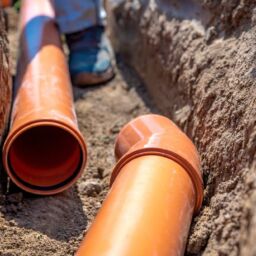
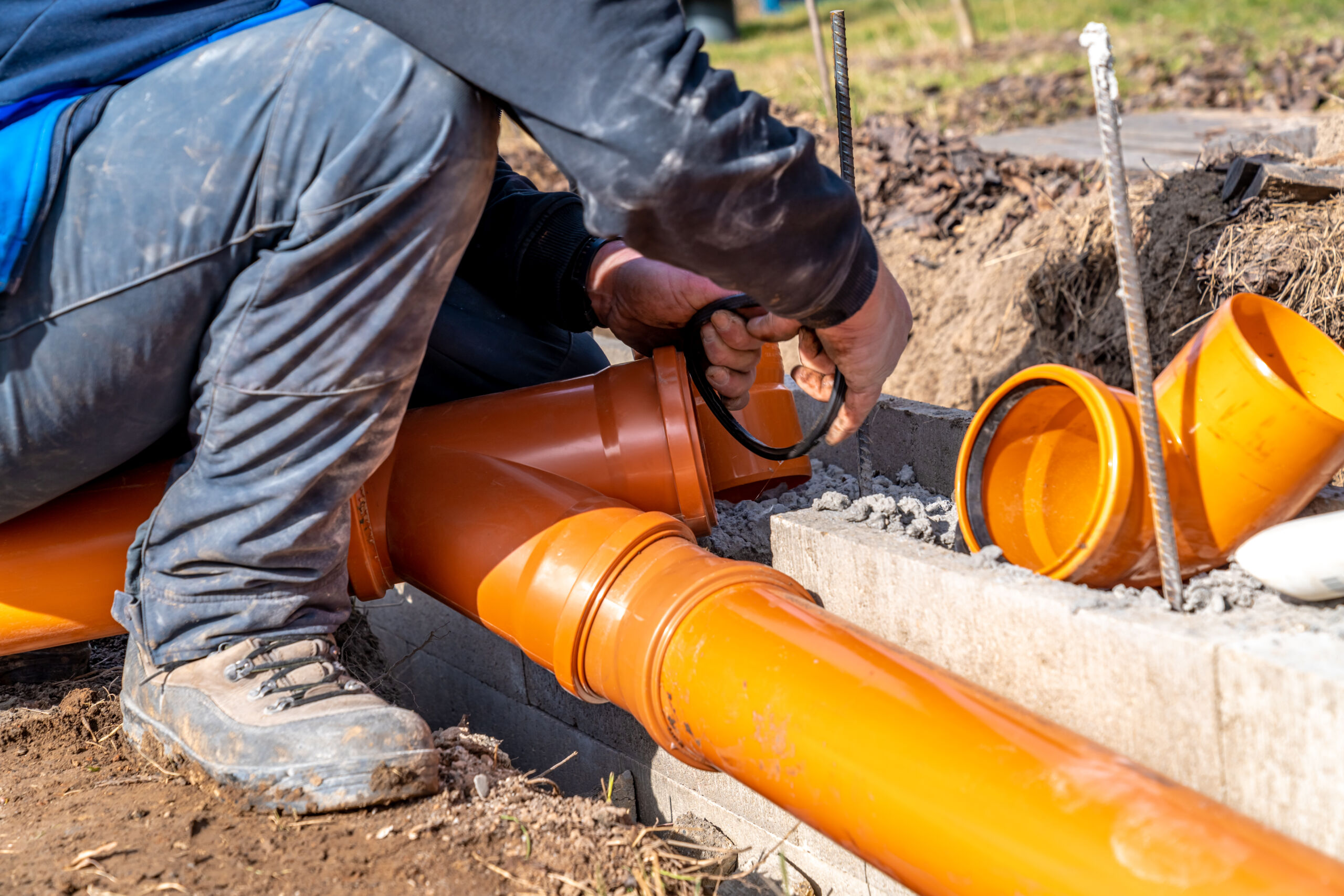
Construction plumbing refers to the installation of water supply lines, drainage systems, gas lines, fixtures, and appliances during a new build or major renovation. Unlike basic repair work, this job requires full knowledge of local codes, blueprint reading, and close coordination with general contractors, electricians, and HVAC crews.
Done correctly, it delivers a system that performs quietly, efficiently, and safely for many years to come.
Key Qualities to Look For
Hiring the right team is the most important decision you will make on a build. Here is what separates a strong construction plumbing contractor from an average one:
- Proper licensing and insurance that meet state and local requirements
- Experience with your project type, whether residential or commercial
- Clear communication with general contractors and other trades
- Familiarity with current plumbing codes and inspection processes
- A portfolio of completed projects similar to yours
- Transparent written estimates with no surprise charges
Never hire a plumber who cannot produce a valid license, proof of insurance, or solid local references.
Residential vs. Commercial Needs
The needs of a single-family home differ greatly from those of a restaurant, apartment complex, or retail space. Residential work usually focuses on kitchens, bathrooms, and laundry rooms, while commercial projects involve larger supply lines, grease interceptors, backflow devices, and high-capacity fixtures.
According to the U.S. Census Bureau, an estimated 1,364,100 new privately-owned housing units were started in 2024, and each one required skilled plumbing installation from the ground up. Commercial construction adds millions more square feet every year, so the demand for experienced professionals stays high.
Whether you need new home construction plumbing or full commercial plumbing services, your contractor should scale their approach to fit the project.
Common Mistakes to Avoid
Even experienced builders fall into traps that cost time and money. Watch out for these issues during any new build:
- Skipping a pre-construction site review
- Ignoring long-term maintenance access for cleanouts and shut-offs
- Using cheap fixtures that fail within a few years
- Undersizing drain lines for future expansion
- Failing to coordinate rough-in schedules with other trades
A good contractor anticipates these problems before they happen, not after the drywall is up.
Why Quality Work Saves Money
Cutting corners during a build almost always costs more later. Leaks behind finished walls, undersized pipes, or poor venting can lead to water damage, mold, and code issues that require tearing out completed work. Investing in quality construction plumbing up front protects your budget, your timeline, and the long-term value of the property.
Quality installations also help lower utility bills, since properly sized and vented systems operate more efficiently than rushed or improvised ones.
Partner With Litteken Plumbing on Your Next Build
For over 25 years, Litteken Plumbing has served the St. Louis Metro East with reliable, code-compliant plumbing for new homes, commercial buildings, and major renovations of every size. Our team works directly with builders, architects, and property owners to deliver systems built to last. Contact our team today to discuss your upcoming project and get a straightforward estimate.
FAQs
What should I look for when hiring a construction plumbing contractor?
Look for experience with new builds, proper licensing, clear communication, and a track record of passing code inspections.
How does construction plumbing differ from residential repair work?
Construction plumbing involves rough-in installation, coordinating with other trades, and planning systems before walls and floors are finished.
Why is timing important when scheduling construction plumbing?
Plumbing must align with the broader construction schedule, since delays can hold up drywall, flooring, and other trades.
Should I get multiple quotes for construction plumbing work?
Yes, comparing quotes helps you understand fair pricing and gives insight into each contractor’s approach and communication style.
What questions should I ask about code compliance during construction plumbing?
Ask how the contractor handles permits, inspections, and whether they’ve worked in your specific municipality before.