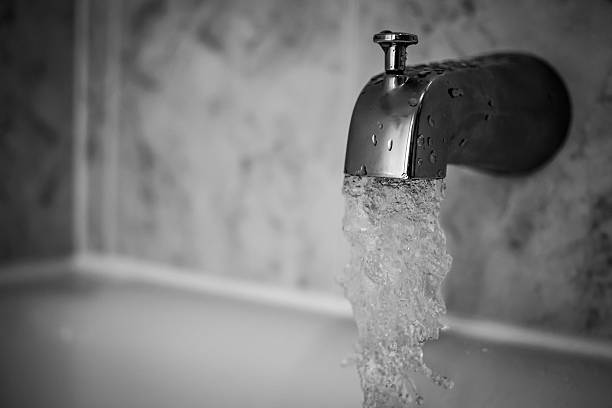
Few fixtures in your home see more use than bathtub faucets. Between daily showers, bubble baths, and the occasional dog wash, this hardworking fixture handles serious volume, and over time, even the best ones develop problems. Ignoring small issues today can lead to water damage, inflated water bills, and full fixture replacements tomorrow. At Litteken Plumbing, we have helped St. Louis Metro East homeowners troubleshoot and repair bathtub faucets for more than 25 years. Here are the most common issues we see and what to do about them.
The Real Cost of Ignoring a Leak
Before we dive into the symptoms, it is worth understanding why fast action matters.
According to the U.S. Environmental Protection Agency, a leaky faucet that drips at the rate of one drip per second can waste more than 3,000 gallons of water per year. That is enough water to take more than 180 showers, and it adds up quickly on your utility bill.
A small drip is rarely just a small drip. It is a signal that something inside the faucet has failed and needs professional attention.
Common Issues With Bathtub Faucets
Here are the most frequent problems homeowners bring to us.
1. Dripping When Turned Off
A steady drip from the spout is often the result of worn washers, seals, or cartridges inside the valve assembly. This is one of the easiest issues to fix and one of the most expensive to ignore.
2. Low Water Pressure
If your tub is filling slower than usual, the cause could be:
- Mineral buildup in the valve or spout
- A clogged aerator if your spout has one
- Partially closed shutoff valves
- Corroded supply lines
- Broader issues with your home’s water pressure
3. Handle Problems
Stiff, loose, or stuck handles usually mean worn internal components. Do not force them. Stripped splines or broken stems turn a small repair into a full valve replacement.
4. Diverter Issues
The diverter is the little lever or button that switches flow from the tub spout to the showerhead. When it wears out, you end up losing water to the tub while trying to shower, which wastes gallons per minute.
5. Temperature Trouble
Water that is too hot, too cold, or constantly shifting temperature often points to a failed pressure-balancing valve or thermostatic cartridge. These parts wear out over time and must be replaced with the exact right match.
6. Mystery Leaks Behind the Wall
Moisture stains on the ceiling below or damp drywall behind the tub usually mean something is leaking inside the wall. This is the most urgent issue on the list because unseen leaks cause mold and structural damage quickly.
When to Repair vs Replace
Sometimes a quick swap of washers and cartridges will bring bathtub faucets back to like-new performance. Other times, a full fixture replacement is the smarter choice. Consider replacement if:
- The faucet is older than 15 to 20 years
- Finishes are corroded or pitted beyond repair
- Replacement parts are no longer available
- You are remodeling the bathroom
- Repairs keep recurring
Professional plumbing fixture installation ensures a clean, leak-free swap with the right hardware for your home’s water pressure and style.
Do Not Wait on Water Damage
The worst thing you can do with a leaking or malfunctioning tub is wait. Water damage behind walls is expensive, slow to detect, and frequently leads to mold. If you see signs of trouble, a call to a trusted residential plumber now will save you thousands later.
Get Expert Help From Litteken Plumbing
If your bathtub faucets are dripping, sticking, or underperforming, help is one call away. Contact Litteken Plumbing today for honest, professional service from our state-licensed team. We serve Trenton, Nashville, and the entire St. Louis Metro East.
FAQs
What are the most common problems with bathtub faucets?
Common issues include dripping, low water pressure, temperature inconsistency, and handles that feel loose or stiff.
Why does my bathtub faucet drip even when fully closed?
This is usually caused by a worn washer, cartridge, or O-ring that needs to be replaced.
Can mineral buildup affect bathtub faucet performance?
Yes, hard water deposits can clog aerators and internal parts, reducing flow and causing erratic temperature control.
Is a leaking bathtub faucet a sign of a bigger problem?
It can be, especially if paired with wall dampness or mold, which may point to a hidden leak behind the fixture.
When should I call a plumber instead of fixing a bathtub faucet myself?
If the issue persists after replacing basic parts, or if you notice water damage, it’s time to bring in a professional.