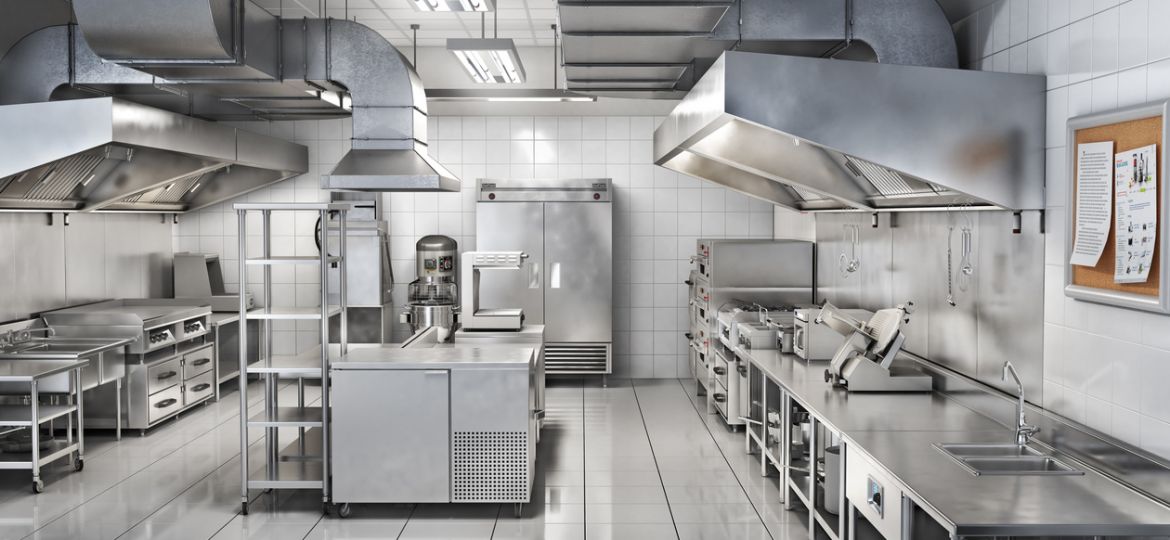
Running a food service operation in the Metro East means navigating more than just health codes and food safety. Grease trap regulations are a compliance requirement that affects nearly every commercial kitchen, and violations can result in fines, permit suspensions, and costly emergency service calls. Understanding what is required and how to stay current is an essential part of running a restaurant in Illinois.
What Is a Grease Trap and Why Is It Regulated?
A grease trap is a plumbing device installed on kitchen drain lines to capture fats, oils, and grease before they enter the municipal sewer system. When grease enters sewer lines, it cools, solidifies, and accumulates, eventually causing blockages that can back up into businesses and homes or overflow into the environment.
These regulations exist because the consequences of grease-related sewer failures are costly and affect public infrastructure. Municipalities require regular maintenance and documentation to ensure traps are functioning as intended.
Illinois and Local Grease Trap Regulations
In Illinois, grease trap regulations are governed at both the state and local level. The Illinois Plumbing Code establishes baseline requirements, and individual municipalities in the Metro East, including Belleville, O’Fallon, and Edwardsville, may layer additional requirements on top of those.
Key compliance points typically include:
- Trap sizing requirements based on the volume of water flow from the kitchen
- Mandatory cleaning and pumping schedules, typically every 30 to 90 days depending on trap size and usage
- Documentation of all service and pumping activities in a maintenance log
- Grease disposal only through licensed haulers who are certified to handle the material
- Grease interceptors for larger operations that generate higher volumes of waste
According to the U.S. Environmental Protection Agency, fats, oils, and grease account for a significant portion of sewer blockages and sanitary sewer overflows nationwide, which is why enforcement of grease trap regulations has intensified in municipalities across the country.
Consequences of Non-Compliance
Failing to maintain a compliant grease trap creates both operational and financial risk. Common consequences include:
- Fines from local health or sewer departments
- Required closure until a trap is repaired or pumped
- Emergency plumbing service calls when grease causes a drain backup during service hours
- Potential liability if a backup affects neighboring businesses or the public sewer
Many restaurant owners discover they have a compliance issue only after a backup or a routine health inspection, at which point the cost of resolution is significantly higher than preventive maintenance would have been.
How to Stay Current With Grease Trap Regulations
Staying compliant starts with knowing what your local authority requires. Contact your municipality’s public works or sewer authority to get the specific pumping frequency and documentation requirements for your location.
From there, the key steps are:
- Schedule regular pumping with a licensed plumber and keep service records on file
- Have your trap inspected periodically to confirm it is properly sized and functioning
- Address any visible signs of reduced performance such as slow drains, odors, or grease appearing downstream of the trap
Our commercial plumbing services include grease trap installation, maintenance, and inspection for restaurants throughout the Metro East. Whether you are opening a new location or getting a legacy system up to code, we have the expertise to keep you compliant.
For restaurants dealing with existing drain line buildup beyond the trap, our hydro jetting services can clear grease accumulation that has already entered the line and is affecting drainage performance.
Keep Your Kitchen Compliant With Litteken Plumbing
Grease trap regulations are not going away, and enforcement in the Metro East continues to tighten. Staying ahead of the requirements protects your permit, your operation, and your bottom line.
Contact us today to schedule a grease trap inspection or service call for your restaurant in Trenton, Belleville, O’Fallon, Edwardsville, or the surrounding Metro East region.
FAQs
What are grease trap regulations and why do restaurants need to follow them?
Grease trap regulations set requirements for capturing fats, oils, and grease before wastewater enters the sewer system, protecting municipal infrastructure.
How often does a grease trap need to be cleaned?
Most restaurants need cleaning every 1 to 3 months, though frequency depends on kitchen volume and local requirements.
What happens if a restaurant doesn’t comply with grease trap regulations?
Non-compliance can result in fines, forced closures, or costly sewer line damage from grease buildup.
Do all Metro East restaurants need the same size grease trap?
No, sizing depends on kitchen output and local code requirements, so a professional assessment is recommended.
Who is responsible for grease trap maintenance, the restaurant or the plumber?
The restaurant owner is ultimately responsible for compliance, though many hire licensed plumbers for regular maintenance and documentation.