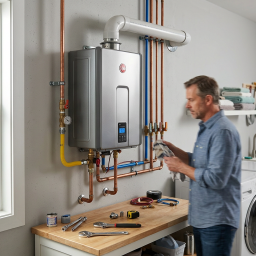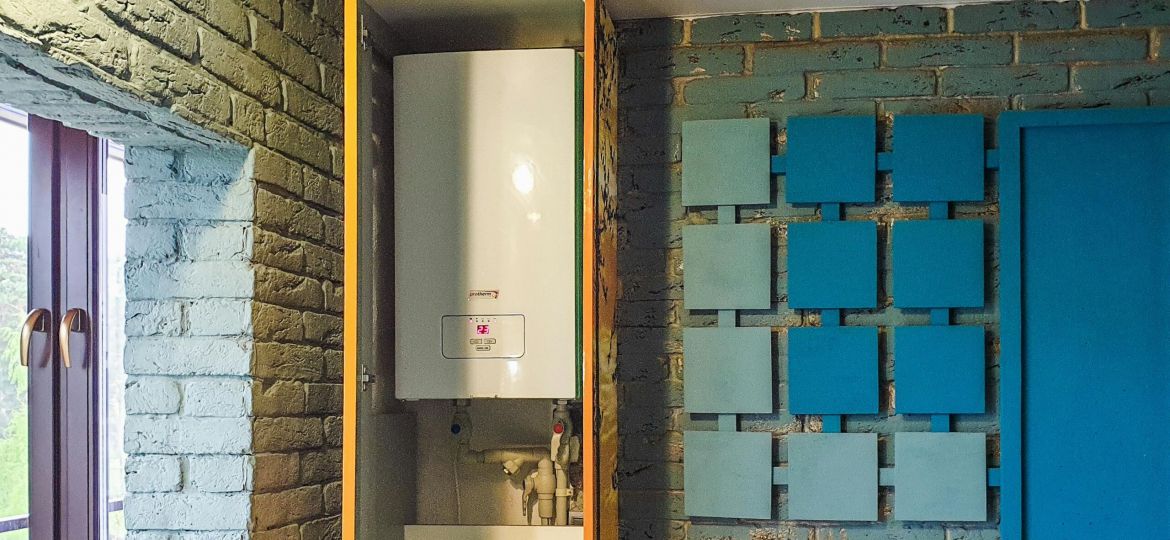
A strange noise from a water heater is easy to ignore, but it rarely resolves on its own. Water heater whistling is one of the more common sounds homeowners report, and it is almost always telling you something specific about the condition of your unit. Understanding what is causing the noise helps you decide how urgent the situation is and whether you need a professional right away.
Common Causes of Water Heater Whistling
Water heater whistling can originate from several components, each pointing to a different issue.
Pressure and Temperature Relief Valve
The T&P valve is a safety device that releases pressure if the water temperature or pressure inside the tank gets too high. If this valve is whistling or hissing, it may be doing its job by venting small amounts of pressure, or it could be failing and not seating properly. A T&P valve that makes noise regularly should not be ignored. This is a safety component, and a failing one creates a genuine hazard.
Sediment Buildup
In areas with hard water, mineral deposits accumulate at the bottom of the tank over time. When the burner heats the water, steam pockets form beneath the sediment layer and escape, producing a popping, rumbling, or whistling sound. Sediment buildup also forces the unit to work harder and shortens its lifespan significantly.
Inlet and Outlet Connections
The pipes connecting to the water heater can produce whistling when water flow is restricted, typically because of a partially closed valve, a worn washer, or a fitting that has corroded or shifted. The sound often changes with water usage, becoming louder or softer depending on how much water is flowing.
Expansion and Pressure Fluctuations
If your home has a closed plumbing system without an expansion tank, thermal expansion can cause pressure spikes that produce noise at the heater or throughout the pipes. This condition is also hard on plumbing fixtures and valves over time.
What to Do When You Hear Water Heater Whistling
The right response depends on where the sound is coming from and how severe it is.
If the sound is coming from the T&P valve, do not attempt to manually open it repeatedly to test it. A valve that has been opened and reseated multiple times may not seal properly again. Call a plumber.
If the sound appears to be coming from the bottom of the tank and is accompanied by reduced efficiency or longer heat recovery times, sediment flushing may restore performance, but severe buildup sometimes means the unit has reached the end of its useful life.
If the sound is related to a valve or connection fitting, a plumber can identify and replace the component quickly.
According to the U.S. Department of Energy, water heaters account for roughly 18 percent of a home’s energy use, making proper maintenance important not only for longevity but for keeping utility costs in check.
Whatever the cause, water heater whistling is not something to wait on, because the underlying issue is rarely self-correcting and often gets worse over time.
When Repair Makes Sense and When Replacement Does
If your water heater is more than ten years old and producing unusual sounds, replacement may be more cost-effective than repeated repairs. Our water heater services cover both repair and replacement, with guidance on the right solution for your budget and home size.
For homes with ongoing water quality concerns that contribute to sediment buildup, a residential plumbing inspection can identify the scale of the issue and whether additional solutions are warranted.
Let Litteken Plumbing Diagnose the Problem
Water heater whistling deserves a professional set of eyes before it turns into a more serious and expensive issue. Litteken Plumbing has been serving Metro East homeowners from Trenton to Belleville and beyond for over 25 years.
Contact us today to schedule a water heater inspection or repair service.
FAQs
Why is my water heater making a whistling noise?
Whistling is often caused by mineral buildup, a partially closed valve, or high water pressure restricting flow.
Is a whistling water heater dangerous?
It’s not always an emergency, but it can indicate a developing issue that should be checked before it worsens.
Can sediment buildup cause a water heater to whistle?
Yes, sediment inside the tank can restrict water flow and create whistling or popping sounds during heating cycles.
How can I fix a whistling water heater myself?
Checking that valves are fully open and flushing the tank to remove sediment can sometimes resolve the noise.
When should I call a technician about a whistling water heater?
If the noise continues after basic troubleshooting, or is paired with reduced hot water, it’s time to call a professional.