When temperatures plunge across the Metro East area, the last thing you want to deal with is your heater freezing up in winter. Whether you have a traditional tank or tankless unit, cold weather puts significant stress on your water heating system. Understanding why your heater freezing up in winter happens can help you take action before a minor inconvenience becomes a major plumbing emergency.
Common Causes of a Heater Freezing Up in Winter
Several factors can contribute to water heater freeze-ups during cold weather:
- Location in unheated spaces like garages, basements, or crawl spaces
- Poor insulation on pipes and the unit itself
- Power outages that disable freeze protection features
- Exposure to drafts from gaps in walls or doors
- Extended periods without hot water use
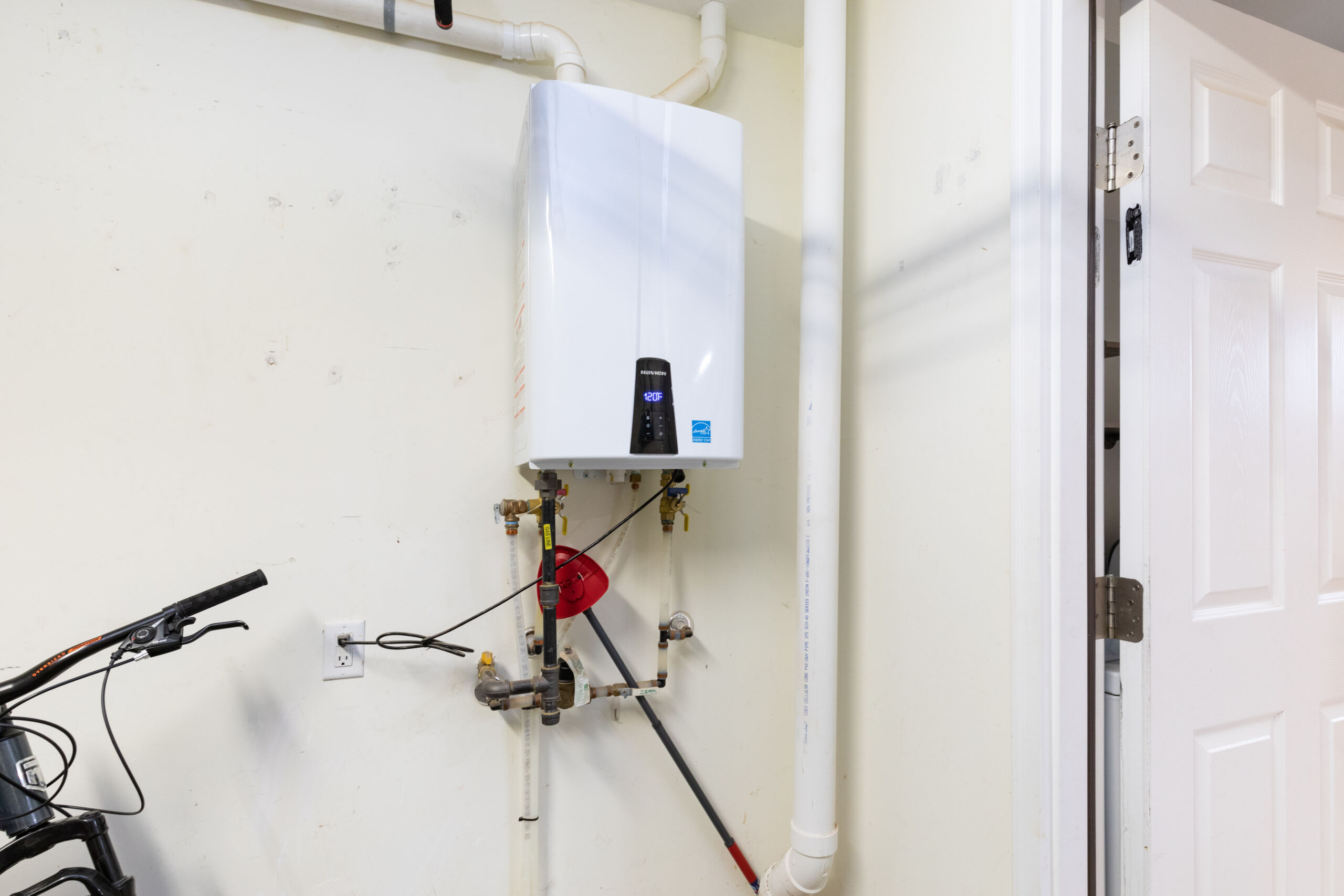
Tankless water heaters are particularly vulnerable because they do not store hot water. When idle during extreme cold, the water inside can freeze quickly if protective features fail.
Warning Signs Your Water Heater May Be Frozen
Catching the problem early can prevent expensive damage. Watch for these indicators:
- No hot water flows from any faucet
- Reduced water pressure throughout your home
- Unusual noises from the water heater
- Visible frost on pipes or the unit exterior
- Error codes on tankless models
According to the Insurance Information Institute, water damage and freezing account for nearly one in four homeowner insurance claims, making prevention essential for protecting your home and wallet.
Steps to Take If Your Water Heater Freezes
If you suspect your heater freezing up in winter has already occurred, take these steps carefully:
Turn Off the Unit
For gas water heaters, close the gas valve. For electric models, switch off the circuit breaker. This prevents damage to heating elements and other components while you address the freeze.
Open a Hot Water Faucet
Open the hot water tap closest to the water heater. This relieves pressure in the system and allows water to flow once the ice melts.
Apply Gentle Heat
Use a hair dryer or portable space heater to warm the area around the frozen pipes and water heater. Never use an open flame or torch, as this creates a serious fire hazard and can damage your plumbing.
Check for Leaks
As the ice thaws, inspect all visible pipes and connections for cracks or leaks. Frozen water expands and can cause pipes to rupture, leading to water damage once everything warms up.
Preventing Your Heater Freezing Up in Winter
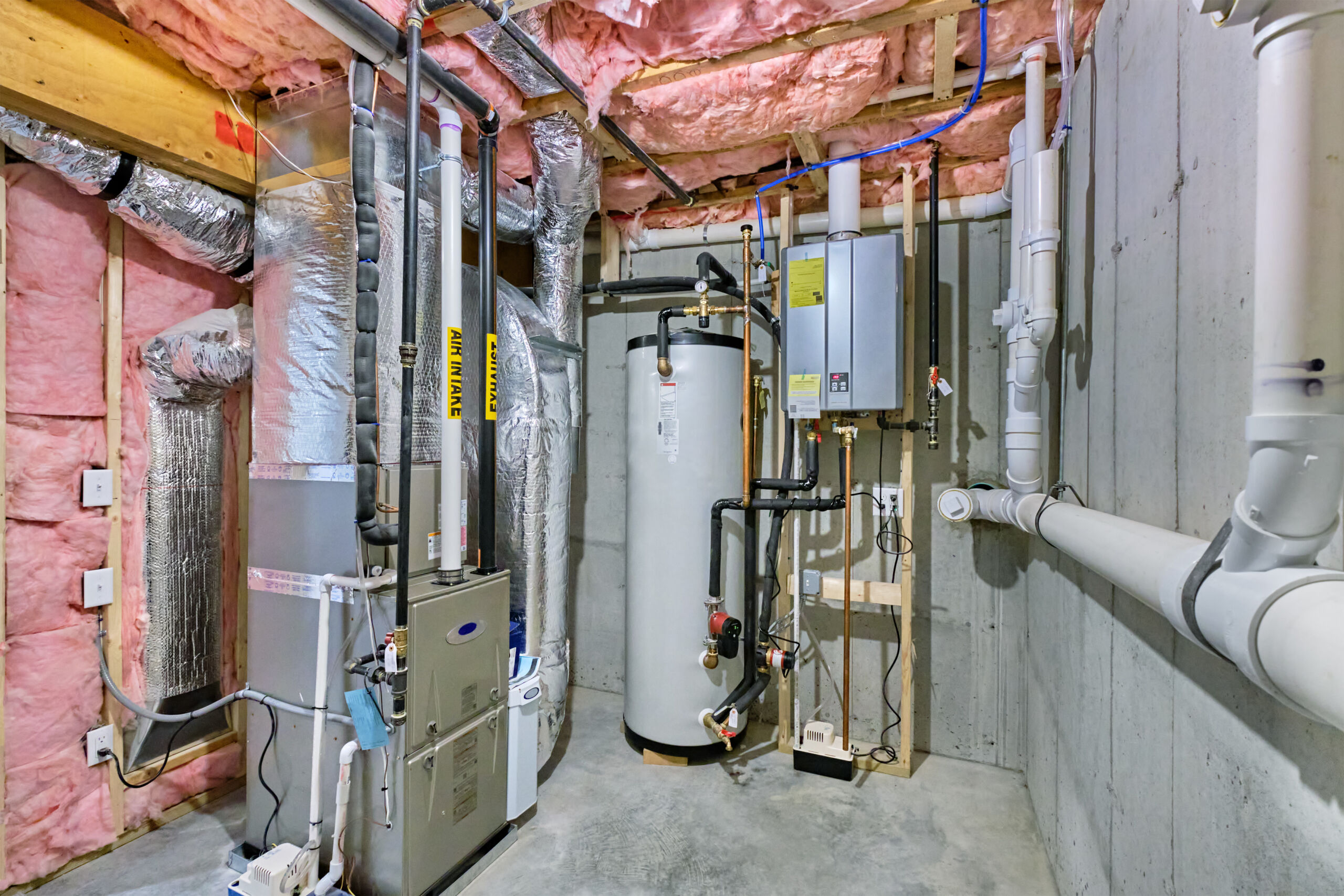
Taking proactive steps now can save you from dealing with frozen equipment later. Insulate all exposed pipes, especially those running through unheated areas. Consider adding an insulation blanket to your water heater tank to help maintain temperature.
For tankless units, ensure the freeze protection feature is enabled and connected to power. If your area experiences frequent outages, a backup generator can keep this critical protection running. You should also allow a small trickle of water to flow from faucets during extreme cold snaps to keep water moving through the system.
Scheduling annual plumbing maintenance helps identify vulnerabilities before winter arrives, giving you time to address insulation gaps and equipment issues.
When to Call a Professional
Some situations require expert assistance. Contact a licensed plumber if you notice leaks after thawing, if your water heater will not restart, or if you suspect internal damage.
Trust Litteken Plumbing for Winter Plumbing Emergencies
When your heater freezing up in winter leaves you without hot water, you need fast, reliable service. At Litteken Plumbing, our experienced team has helped Metro East homeowners handle winter plumbing challenges for over 25 years.
Contact us today for emergency repairs or to schedule preventive maintenance before the next cold snap hits.
FAQ
Why would a tankless water heater freeze up in winter? Tankless water heaters can freeze when temperatures drop and the unit loses power, disabling the built-in freeze protection. Units installed in exposed or uninsulated locations such as garages or exterior walls are most vulnerable. Without active freeze protection, water remaining in the heat exchanger can freeze and crack internal components.
What are the signs that a water heater has freeze damage? Signs include no hot water output, error codes related to flow or pressure, water leaking from the unit, visible cracks in pipes connected to the heater, or unusual noises when the unit attempts to fire. A plumber should inspect the unit before attempting to restart it.
How can I prevent my water heater from freezing in winter? Keep the unit plugged in and powered during cold weather so freeze protection can activate. Insulate any exposed pipes connecting to the heater. If the unit is in an unheated space like a garage, consider adding supplemental insulation or a small space heater nearby during extreme cold snaps.
Is it safe to try to thaw a frozen water heater myself? If you can safely access the frozen pipes connected to the unit, gentle heat from a hair dryer can be used to thaw them slowly. However, if you suspect the unit itself has suffered damage or cannot locate the freeze point, contact a licensed plumber before attempting to restart the system.
Does homeowners insurance cover freeze damage to a water heater? Coverage varies by policy. Many standard homeowners policies cover sudden and accidental damage from freezing, but some exclude it if the homeowner failed to take reasonable precautions like keeping the heat on. Review your policy and contact your insurer promptly if you experience freeze damage.