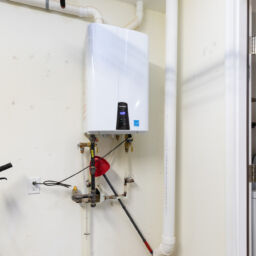
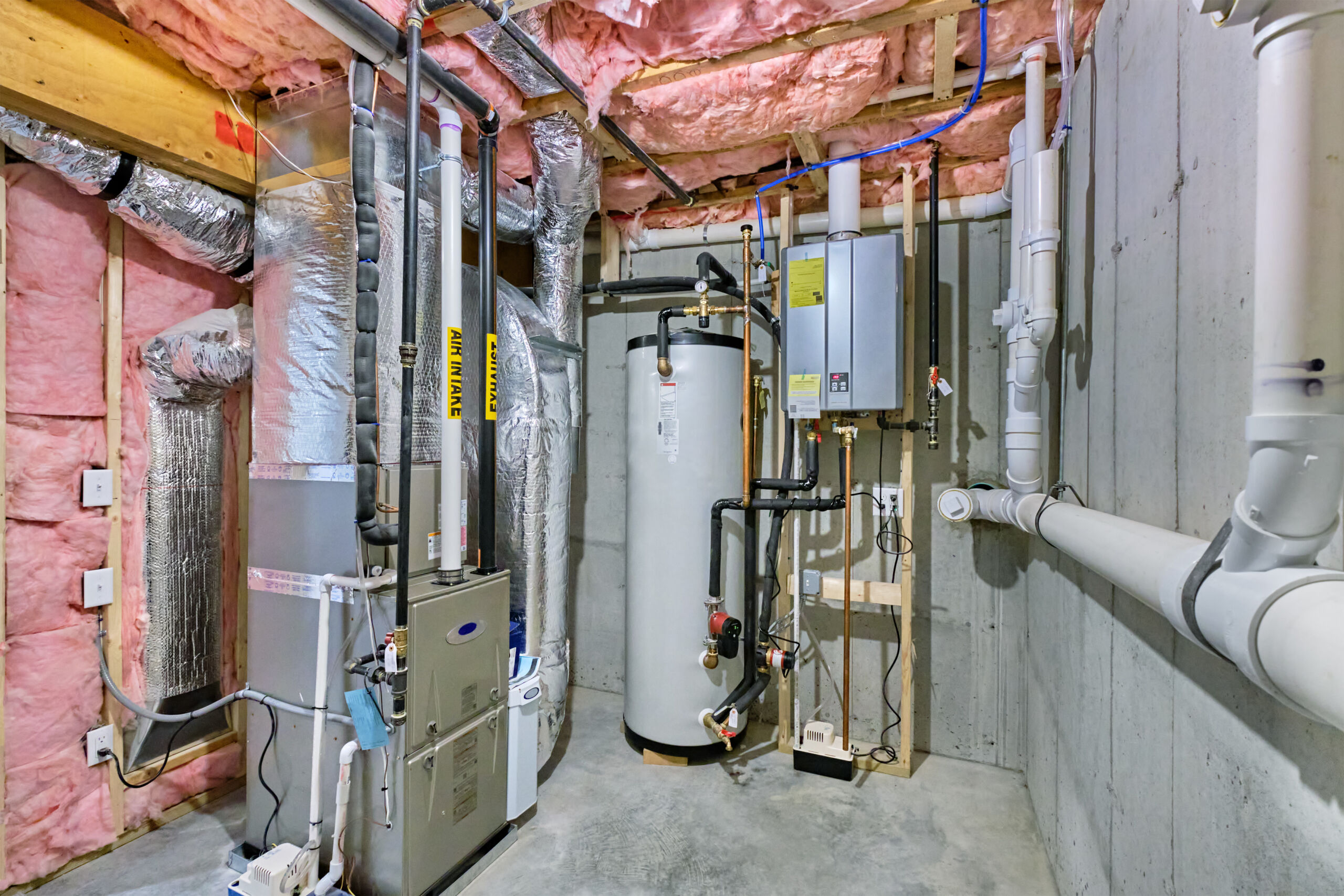
Waking up to no hot water cold weather mornings is one of the most frustrating experiences a homeowner can face. When temperatures drop across the Metro East area, your water heater works harder than ever to keep up with demand. If you suddenly find yourself with no hot water cold weather has likely put extra strain on your system. Before you panic, there are several common causes you can investigate.
Why Cold Weather Affects Your Water Heater
Winter creates the perfect storm of challenges for water heating systems. The incoming water supply is significantly colder, often dropping from around 60 degrees in summer to 35 or 40 degrees in winter. Your water heater must work much harder to raise this frigid water to your desired temperature.
According to the U.S. Department of Energy, water heating accounts for nearly 20 percent of a home’s energy use, second only to heating and cooling. During cold snaps, this percentage can climb even higher as your system struggles to meet increased demand.
Common Causes When You Have No Hot Water Cold Weather Brings
When winter weather strikes, several issues can leave you without hot water:
- Pilot light problems on gas water heaters
- Tripped circuit breakers on electric models
- Frozen pipes blocking water flow
- Thermostat malfunctions
- Sediment buildup reducing efficiency
- Overwhelmed or undersized tanks
Understanding these potential culprits helps you troubleshoot the problem quickly.
Steps to Take When You Have No Hot Water
Check the Thermostat Setting
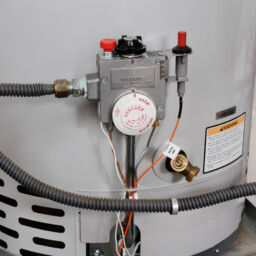
Your water heater thermostat may need adjustment during winter months. The recommended setting is between 120 and 125 degrees Fahrenheit. If the dial has been bumped or the thermostat is malfunctioning, your water may not be heating properly.
Inspect the Pilot Light or Power Supply
For gas water heaters, check whether the pilot light is still lit. If it has gone out, follow the manufacturer’s instructions to relight it. For electric models, check your electrical panel for a tripped breaker. Reset it and see if hot water returns.
Look for Frozen Pipes
Pipes running through unheated areas like garages and crawl spaces are vulnerable to freezing. If water is not flowing to your water heater, a frozen pipe may be the cause.
Assess Tank Capacity
If you are running out of hot water faster than usual, your household may simply be using more than your tank can handle. Longer showers and increased laundry during cold weather can deplete hot water reserves quickly.
When to Call a Professional
Some situations require expert attention. If you experience no hot water cold weather has caused, contact a professional for water heater service when you notice:
- No improvement after basic troubleshooting
- Strange noises coming from the tank
- Visible leaks or water pooling around the unit
- Discolored or rusty hot water
- The unit is more than 10 years old
A qualified residential plumber can diagnose the problem accurately and recommend the best solution, whether that involves repair or replacement.
Preventing Future Cold Weather Water Heater Problems
Take proactive steps to avoid experiencing no hot water cold weather causes again. Insulate exposed pipes and your water heater tank to reduce heat loss. Schedule annual maintenance to flush sediment and inspect components. Consider upgrading to a larger or more efficient unit if your current water heater consistently struggles to meet demand.
Trust Litteken Plumbing for Fast, Reliable Service
When cold weather leaves you without hot water, you need a plumber who responds quickly and gets the job done right. At Litteken Plumbing, we have served homeowners throughout the Metro East area for over 25 years, providing dependable water heater repairs and replacements.
Contact us today to schedule service and restore hot water to your home.
FAQ
Why does cold weather cause hot water problems even if the heater was working fine before? Cold weather forces water heaters to work harder because incoming groundwater is much colder in winter. This puts extra strain on heating elements and burners. If the unit has not been recently maintained, existing issues like scale buildup or a weak heating element can cause failure during peak demand.
What should I check first when I have no hot water in cold weather? For gas units, confirm the pilot light is lit and the gas supply is on. For electric units, check the circuit breaker for tripped breakers. Also check the thermostat setting on the heater itself. If these are fine and hot water still does not return, there may be a frozen pipe or failing component requiring professional diagnosis.
Can frozen pipes cause a loss of hot water? Yes. If the supply line to the water heater freezes, no water reaches the unit and no hot water will be produced. If the line from the heater to the fixtures freezes, hot water cannot reach the tap even if the heater is functioning normally. Both situations require prompt attention to prevent pipe bursting.
How long should I wait for hot water to return before calling a plumber? If resetting the unit and checking the pilot light or breaker does not restore hot water within 30 to 60 minutes, it is time to call a plumber. Do not wait if you notice water pooling near the heater, hear unusual sounds, or see an error code, as these indicate a problem that will not resolve on its own.
Does a tankless water heater perform differently in cold weather than a tank model? Yes. Tankless units must heat cold incoming water from a lower starting temperature in winter, which can reduce maximum output temperature or flow rate unless properly sized. Tank models may take longer to recover between uses as the heating element works against colder ambient and inlet water temperatures.