By Chad Litteken | Litteken Plumbing
Table of Contents
- What Counts as a High Efficiency Water Heater?
- Which Gas Water Heater Types Are the Most Efficient?
- How Much Can an Efficient Unit Save?
- What Should You Check Before You Switch?
- When Is Upgrading Not Worth It?
- Ready to Compare Your Options?
- Frequently Asked Questions About High Efficiency Water Heaters
A high efficiency water heater is worth it when your tank is aging, your household uses a lot of hot water, or your venting already needs work. For most Metro East homes on natural gas, the answer is a condensing tank or condensing tankless unit. A licensed plumber should size it to your actual demand.
Key Takeaways
Water heating is the second largest energy expense in a typical home, about 18% of energy use, per the U.S. Department of Energy Energy Saver Guide (2022).
The yellow EnergyGuide label and the Uniform Energy Factor (UEF) are the fastest way to compare units, since a higher UEF means less fuel wasted.
Condensing gas tanks and condensing gas tankless units carry the highest gas efficiency ratings, but both need PVC venting and a condensate drain.
Sizing matters as much as the rating, because an undersized efficient unit still leaves you with cold showers.
What Counts as a High Efficiency Water Heater?
A high efficiency water heater is one that turns more of its fuel into hot water and loses less heat up the flue or through the tank walls. The simplest proof is its Uniform Energy Factor, the rating printed on the yellow EnergyGuide label.
UEF is a federal test score that runs from 0 to 1 for gas units. A higher number means less wasted fuel for the same amount of hot water.
ENERGY STAR sets the bar most homeowners use as a shortcut.
Under its Version 5.0 criteria (2022), a certified gas storage water heater of 55 gallons or less needs a UEF of at least 0.81 on the medium draw pattern. A certified gas tankless unit needs a UEF of at least 0.95. You can check any model against the ENERGY STAR water heater criteria before you buy.
A standard atmospheric gas tank, the kind many Metro East basements still have, rates well below those numbers. That gap is where a high efficiency water heater earns back its savings.
Which Gas Water Heater Types Are the Most Efficient?
The most efficient gas options, and the ones most people mean by a high efficiency water heater, are condensing units, which pull extra heat out of the exhaust before it leaves the house. The four gas types below cover almost every replacement we see in Madison, St. Clair, Monroe, Clinton, and Bond counties.
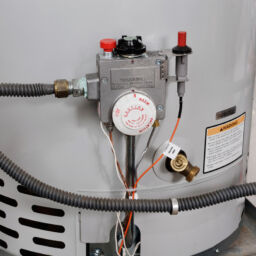
Standard atmospheric tank. Vents through a metal flue using natural draft. It is the simplest setup, but it loses heat through the flue and the tank around the clock.
Power vent tank. Uses a fan to push exhaust out a side wall. It gives more venting flexibility, and it needs an electrical outlet nearby.
Condensing gas tank. Captures heat from the exhaust gases, so less energy leaves the house. It vents through PVC pipe and produces condensate that must drain.
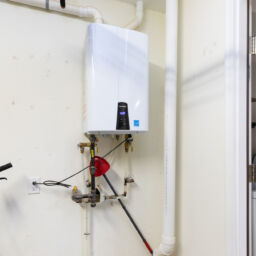
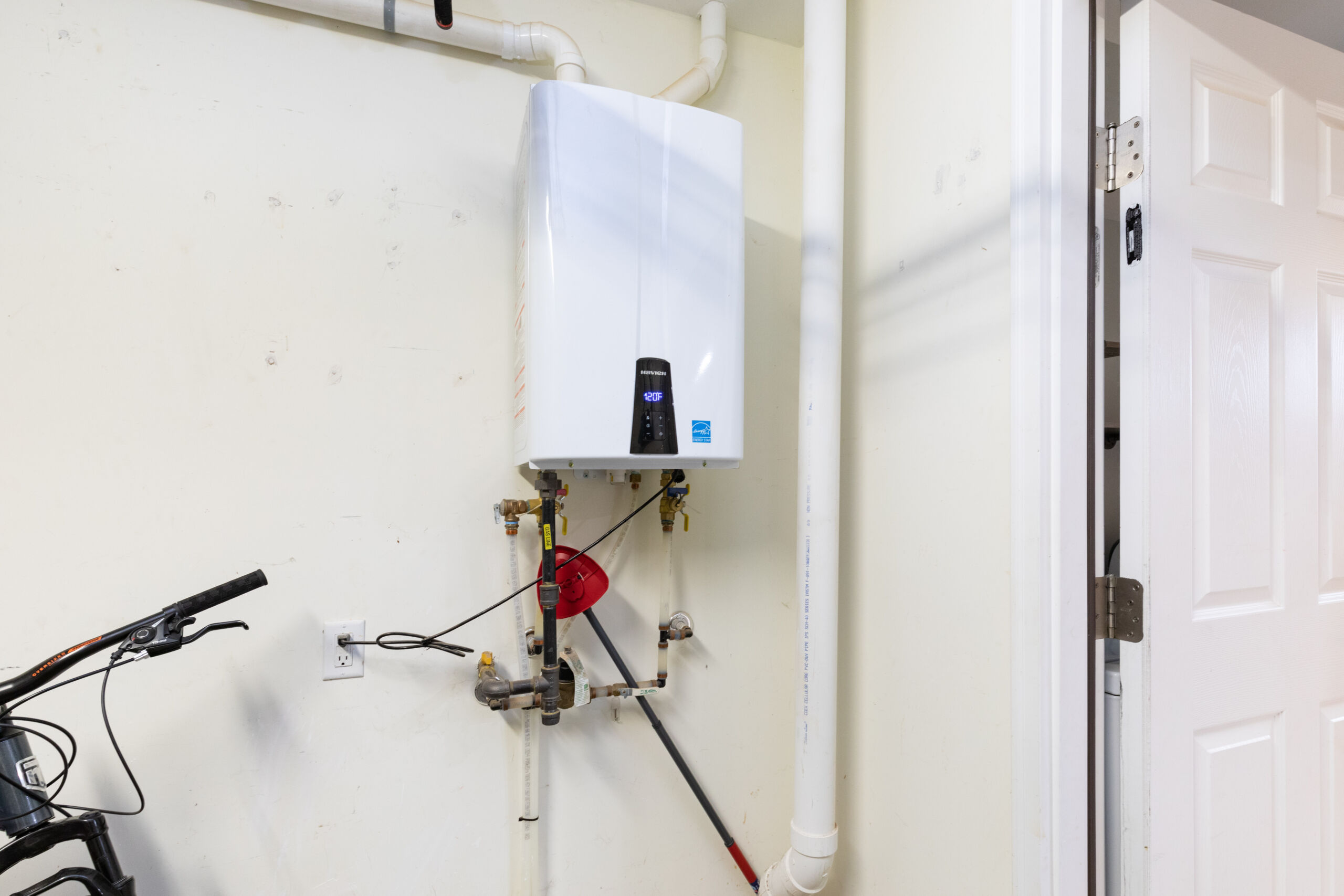
Condensing gas tankless. Heats water only when a tap opens, so it has no standby loss from a stored tank. It usually needs a larger gas line and dedicated venting.
Litteken Plumbing’s water heater work centers on gas units, because they recover quickly and fit the way most local homes are already plumbed. If you want a deeper comparison of stored versus on-demand hot water, our guide to tankless water heaters versus tanks walks through the tradeoffs.
How the Main Gas Options Compare
The table below compares the four gas types on the factors that decide fit, not just the efficiency score. Figures are from the ENERGY STAR Version 5.0 criteria (2022) where noted.
| Gas Water Heater Type | Efficiency Benchmark | Venting Needs | Good Fit For |
| Standard atmospheric tank | Below ENERGY STAR levels | Metal flue, natural draft | Tight budgets with an existing chimney or flue in good shape |
| Power vent tank | Varies by model | Fan-driven side-wall vent plus an outlet | Homes where a chimney vent is not an option |
| Condensing gas tank | ENERGY STAR requires UEF 0.81 or higher (55 gal or less, medium draw) | PVC vent plus condensate drain | Large households that want stored hot water with less wasted gas |
| Condensing gas tankless | ENERGY STAR requires UEF 0.95 or higher | PVC vent, condensate drain, often a larger gas line | Homes that want on-demand hot water and have room to upgrade the gas line |
How Much Can an Efficient Unit Save?
A high efficiency water heater saves money every month. The size of the savings depends on how much hot water your household uses. ENERGY STAR states that certified tankless water heaters save a family of four about $95 per year, or $1,800 over the unit’s lifetime, on gas bills compared with a standard gas storage model.
Those savings come from two places. The unit burns less gas to heat the same water, and a tankless model avoids keeping a full tank hot while no one is using it.
Savings shrink in homes with very low hot water use. A retired couple who showers once a day will save less than a family of five running laundry, dishes, and back-to-back showers.
A plumber can compare your current unit’s age, rating, and your household’s usage pattern to show whether the upgrade pays off for you. Review ENERGY STAR’s tankless savings figures for the national baseline.
What Should You Check Before You Switch?
Check venting, gas supply, drainage, and sizing before you commit to a high efficiency water heater. These four items decide the real installed scope far more than the unit itself.
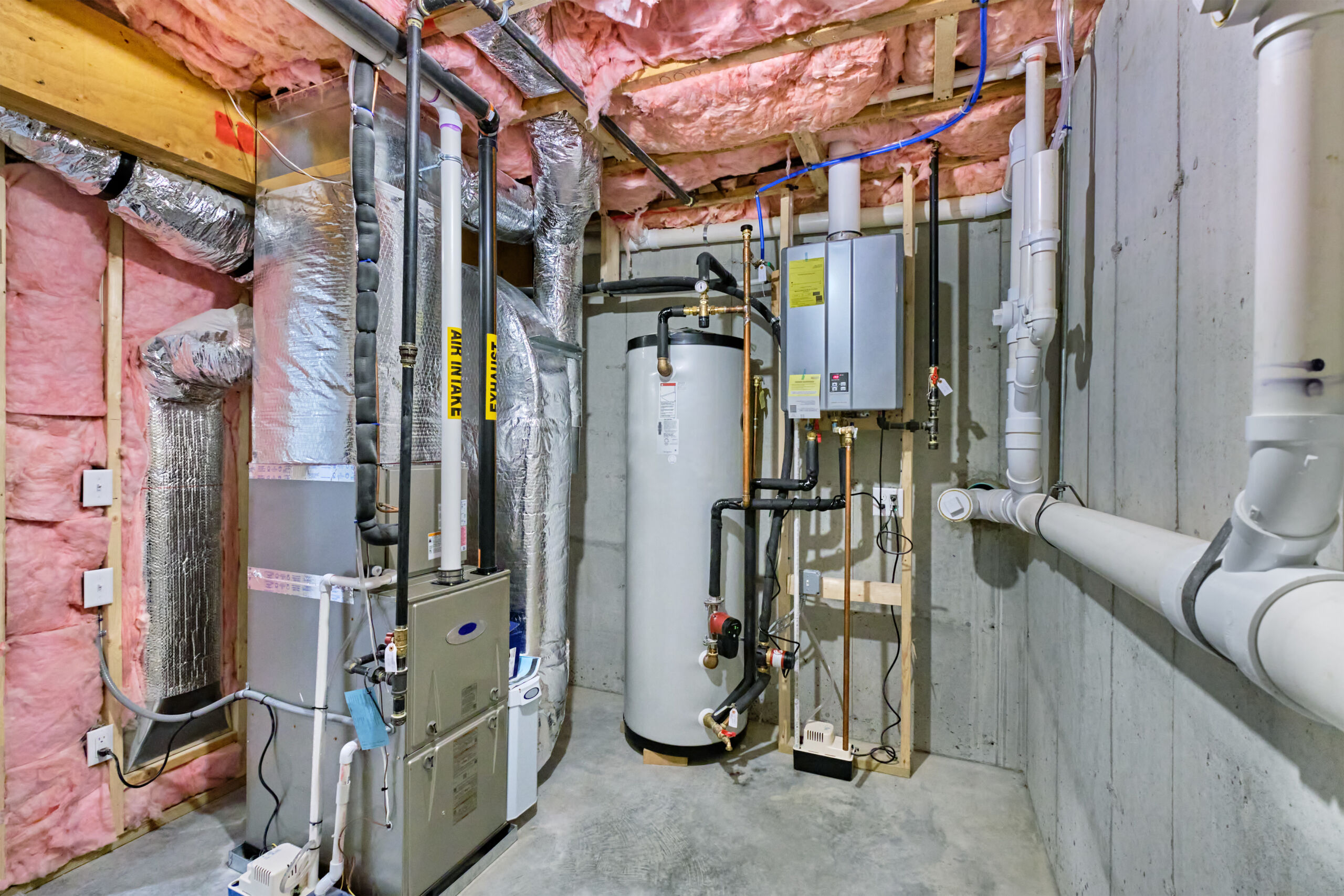
- Venting path. Condensing units cannot share an old metal chimney flue. They need a PVC route to an outside wall or the roof.
- Gas line size. Tankless units draw a lot of gas while they run. Many homes need a larger line from the meter to keep up.
- Condensate drain. Condensing units produce acidic water that needs a floor drain, a pump, or a neutralizer, depending on local rules.
- Electrical outlet. Power vent and condensing units run fans and controls, so they need a nearby outlet.
- Sizing to demand. Tanks are sized by First Hour Rating, and tankless units by gallons per minute at your incoming water temperature.
Skipping any of these steps can turn a high efficiency water heater into an unreliable one. Our water heater service visits check all five items before we recommend a model. An expansion tank may also be required on closed systems, which our post on expansion tanks for water heaters explains.
When Is Upgrading Not Worth It?
A high efficiency water heater is not always worth it if your current tank is young, working well, and your household uses little hot water. In that case, routine care usually delivers more value than a replacement.
A tank that is only a few years old and flushed on schedule can keep running efficiently for years. Our hot water heater maintenance guide covers the steps that protect it.
Venting costs can also change the math. If a condensing unit needs a long new vent run through finished walls, a well-sized standard or power vent tank may be the more practical choice for now.
Whether a high efficiency water heater makes sense depends on the house, not the brochure. That is why a site visit matters before anyone recommends a model.
Ready to Compare Your Options?
A high efficiency water heater pays off when it is matched to your home’s venting, gas supply, and hot water demand.
Litteken Plumbing is a locally owned, Illinois licensed plumbing contractor (License #055-043593) based in Trenton, serving homes across the St. Louis Metro East. Our team will look at your current setup, explain the gas options that fit, and give you a written quote before any work starts. Schedule a water heater consultation to get started.
Frequently Asked Questions About High Efficiency Water Heaters
What does UEF mean for water heaters?
UEF stands for Uniform Energy Factor, the federal efficiency rating printed on a water heater’s yellow EnergyGuide label. A higher UEF means more of the fuel becomes hot water instead of lost heat. For gas storage tanks of 55 gallons or less, ENERGY STAR Version 5.0 (2022) requires a UEF of at least 0.81 on the medium draw pattern, and gas tankless units need at least 0.95.
What is the most efficient gas water heater?
The most efficient gas water heaters are condensing models, either condensing tanks or condensing tankless units. They capture heat from the exhaust that a standard tank sends up the flue. ENERGY STAR sets the gas tankless bar at a UEF of 0.95 or higher, the highest of any gas category in its Version 5.0 criteria (2022). The right pick still depends on your venting, gas line, and household demand.
Do condensing water heaters need special venting?
Condensing water heaters need PVC venting instead of a traditional metal flue, because their exhaust is cooler and contains moisture. They also need a way to drain condensate, such as a floor drain or a condensate pump. A licensed plumber checks the vent route and drain location before installation so the unit meets local code.
How long do hot water heaters last?
Gas storage water heater lifespan depends mostly on water quality, installation, and maintenance, and ENERGY STAR has cited an average of about 13 years for storage models. Regular flushing removes sediment that shortens tank life, and an annual check of the anode rod and relief valve helps catch problems early. When a tank reaches that age range, it is a good time to compare high efficiency replacements before the old unit fails.
What is involved in switching from a tank water heater to tankless?
Switching from a gas tank to a gas tankless water heater is possible in most homes, but the job often involves more than swapping units. Tankless models usually need a larger gas line, new PVC venting, and a condensate drain. A plumber should confirm your gas supply and flow needs first, so the new unit keeps up with showers, laundry, and dishes running at once.