Sewer Repair Signs, Solutions, and Prevention
Your home’s sewer system is one of the most critical yet often overlooked components of your property’s infrastructure. When functioning properly, it quietly carries wastewater away from your home to the municipal treatment facility or septic system. However, when problems arise, they can quickly escalate into costly and disruptive situations that affect your entire household. Understanding the warning signs of sewer issues, available sewer repair options, and preventive measures can save you thousands of dollars and prevent major headaches down the road.
Warning Signs Your Sewer Line Needs Attention
Recognizing the early warning signs of sewer problems can help you address issues before they become major emergencies. Watch for these key indicators:
- Multiple drain backups – If your toilet, shower, and sink are all draining slowly or backing up simultaneously, this typically indicates a main sewer line blockage rather than individual fixture problems
- Unusual sounds – Gurgling noises from toilets, sinks, or floor drains often indicate air bubbles caused by partial blockages or ventilation problems in the sewer line
- Foul odors – Sewage smells around your property, especially near sewer cleanouts or in your basement, suggest gases escaping through cracks or loose joints
- Unexpected water backup – Water appearing in basement floor drains when flushing upstairs toilets, or washing machine causing backup in nearby drains
- Yard changes – Unexplained patches of lush, green grass in a line between your house and street, or soft, soggy areas that may indicate underground pipe damage
Common Causes of Sewer Line Problems
Understanding what causes sewer line issues can help you prevent them and make informed decisions about repairs. The most frequent culprits include:
Tree Root Intrusion
Roots naturally seek water sources and can penetrate even small cracks in pipes, eventually growing large enough to completely block lines or cause structural damage
Age-related deterioration
Clay pipes (common before the 1980s) crack over time, cast iron pipes corrode and develop holes, and even PVC pipes can be damaged by ground settling.
Inappropriate waste disposal
Items like wet wipes, feminine products, and cat litter accumulate in lines, while grease and oil solidify and trap debris.
Ground movement
Soil expansion/contraction, settling, or seismic activity can stress pipes, causing cracks, joint separation, or misalignment
Poor installation
Improper pipe slope, inadequate bedding, or substandard materials can lead to premature failure
Modern Sewer Repair Methods
Today’s sewer repair industry offers several advanced solutions that are less disruptive and often more cost-effective than traditional dig-and-replace methods. Trenchless repair technologies have revolutionized how plumbers approach sewer line problems, allowing for repairs with minimal excavation and landscape disruption.
CIPP Lining
Pipe lining, also known as cured-in-place pipe (CIPP) lining, involves inserting a resin-saturated liner into the existing damaged pipe. The liner is then inflated and heated or allowed to cure, creating a new pipe within the old one. This method works well for pipes with cracks, small holes, or joint separation, and can extend the life of your sewer line by 50 years or more. The process typically takes just a few hours and requires minimal digging, usually only small access holes at each end of the repair section.
Pipe Bursting
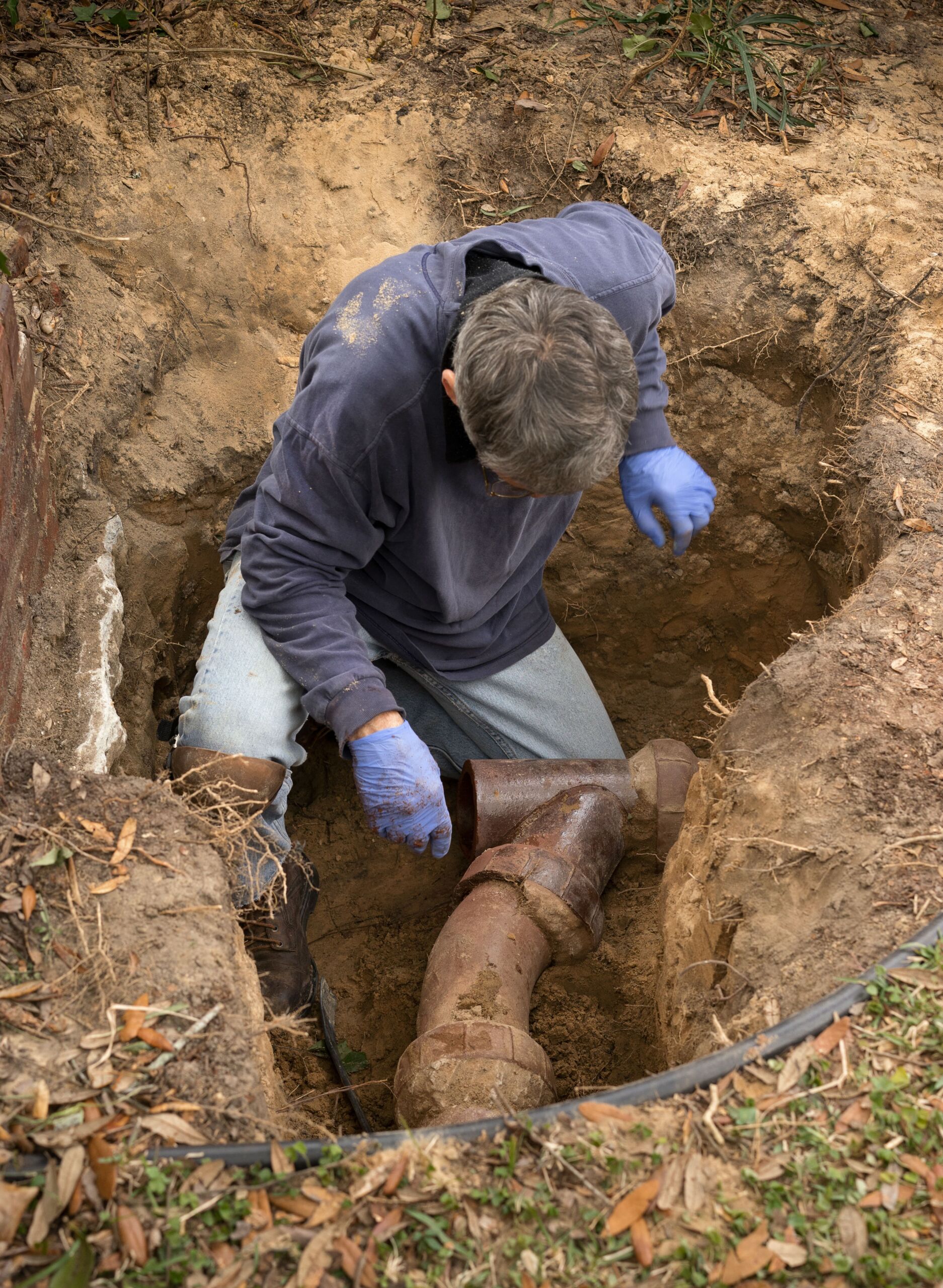
Pipe bursting is another trenchless method used when the existing pipe is too damaged for lining. This technique involves pulling a new pipe through the old one while simultaneously breaking apart the damaged pipe. A specialized bursting head fractures the old pipe and pushes the fragments into the surrounding soil while pulling the new pipe into place. This method allows for the installation of a larger pipe if needed and works well for severely damaged or collapsed lines.
Spot Repairs
For localized damage, spot repairs can be performed using various trenchless techniques. Small sections of pipe can be repaired with patch linings or by installing new pipe sections through small excavations. These targeted repairs are cost-effective when damage is limited to specific areas rather than throughout the entire line.
Excavation
Traditional excavation and replacement remain necessary in some situations, particularly when pipes have completely collapsed, when there are multiple breaks throughout the system, or when the pipe material is incompatible with trenchless methods. While more disruptive, full replacement ensures a completely new system with maximum longevity.
The Professional Inspection Process
Before any repair work begins, professional plumbers use advanced diagnostic equipment to accurately assess your sewer line condition.
Video Camera Inspections
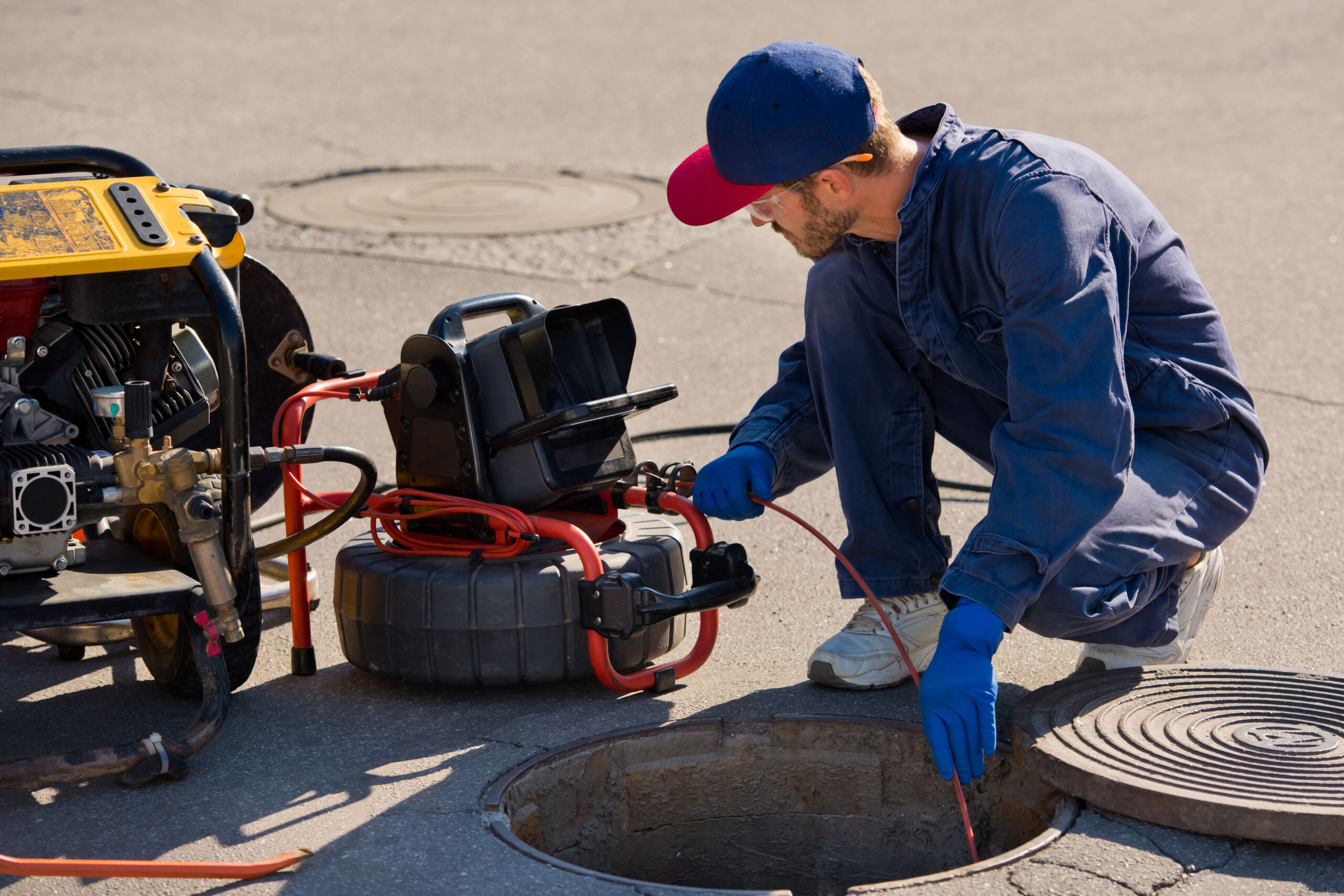
This involves inserting a high-resolution camera attached to a flexible cable into your sewer line. This allows technicians to see exactly what’s happening inside the pipes, identifying the location, extent, and nature of any problems.
Locate the Issue
Modern sewer cameras provide real-time footage and can record the inspection for later review. They’re equipped with transmitters that allow technicians to locate the exact position of problems from above ground, ensuring precise repair work.
Determine the Right Repair method
The camera inspection also helps determine the best repair method for your specific situation and provides documentation of the pipe condition before and after repairs.
Prep for the Repair
Hydro jetting may be performed as part of the diagnostic process or as a preparatory step before repairs. This process uses high-pressure water streams to clean debris, grease, and minor blockages from pipes, providing a clear view of the pipe condition and sometimes resolving minor issues without further intervention.
Cost Considerations and Factors
Sewer repair costs vary significantly based on several factors, making it important to understand what influences pricing.
Damage
The extent of damage is the primary cost driver – minor spot repairs or cleaning may cost a few hundred dollars, while full line replacement can run several thousand dollars. The depth of your sewer line affects both labor costs and equipment requirements, with deeper lines requiring more extensive excavation or specialized trenchless equipment.
Material
Pipe material and size influence both repair options and costs. Some materials are more compatible with certain repair methods, and larger pipes generally cost more to repair or replace. Accessibility also plays a role – lines running under driveways, patios, or landscaping may require additional work to access and restore surfaces after repairs.
Repair Method
The chosen repair method significantly impacts costs. Trenchless repairs often have higher upfront costs due to specialized equipment but can save money by avoiding extensive excavation, landscape restoration, and the associated disruption to your daily life. Traditional excavation might have lower immediate costs, but can become expensive when factoring in surface restoration and potential complications.
Location
Geographic location affects pricing due to varying labor costs, permit requirements, and local regulations. Urban areas may have higher labor costs but better access, while rural locations might have lower hourly rates but higher travel costs for specialized equipment.
Prevention and Maintenance
Preventing sewer problems is far more cost-effective than dealing with major repairs. Follow these essential maintenance practices:
- Mind what goes down drains – Only flush toilet paper and human waste; never pour grease, oil, or harsh chemicals down drains
- Install and maintain drain screens – Catch hair and debris before they enter the system, and clean screens regularly
- Manage landscaping – Avoid planting large trees near sewer lines, and consider root barriers for existing trees
- Schedule regular inspections – Professional camera inspections every 3-5 years for older homes can identify problems early
- Address warning signs promptly – Don’t ignore slow drains, unusual sounds, or odors that could indicate developing issues
The International Association of Plumbing and Mechanical Officials recommends annual professional maintenance for homes over 25 years old or properties with previous sewer issues.
Working with Professional Plumbers
When sewer problems arise, working with experienced, licensed professionals is essential for both safety and long-term success. Here’s what to look for when choosing a sewer repair specialist:
- Proper licensing and insurance – Protects you from liability and ensures work meets local codes
- Specialized sewer experience – Look for companies with modern trenchless technology expertise
- Comprehensive diagnostics – Quality plumbers perform thorough camera inspections before recommending repairs
- Transparent pricing – Detailed written estimates that break down costs and timelines
- Strong warranties – Coverage for both materials and labor demonstrates confidence in workmanship
- Emergency availability – Sewer problems don’t follow business hours
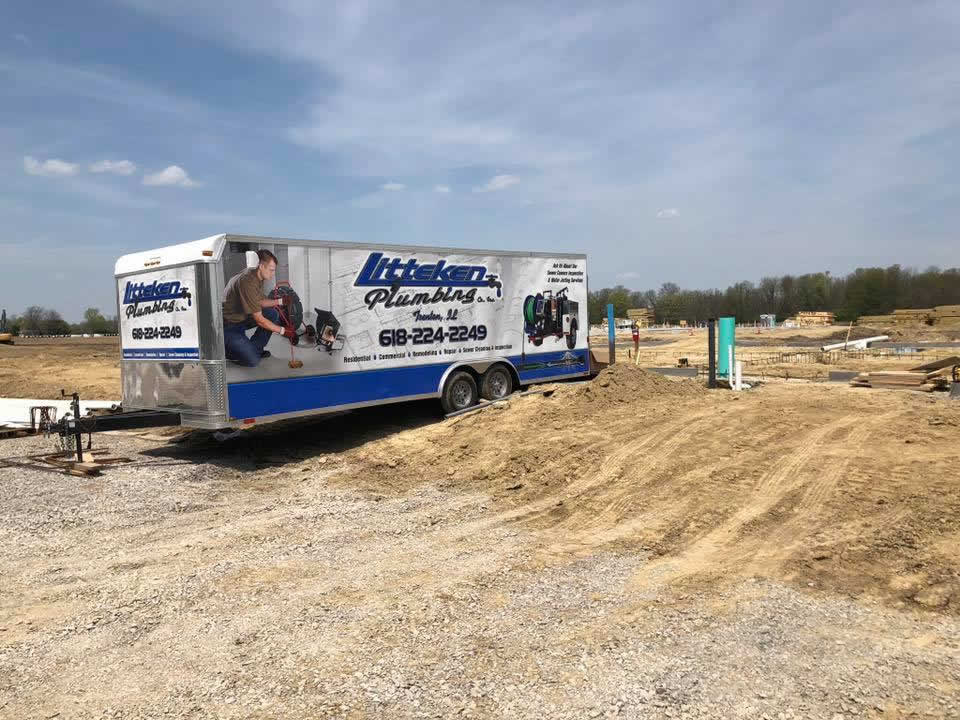
Quality plumbers should explain different repair methods, their pros and cons, and handle all necessary permits to ensure compliance with local building codes and regulations. For reliable sewer repair services in your area, consider Litteken Plumbing’s professional team.
Why Choose Litteken Plumbing for Sewer Repair Services?
Sewer line problems are among the most serious plumbing issues homeowners face, but understanding the warning signs, available repair options, and preventive measures can help you navigate these challenges successfully. Modern trenchless repair technologies offer effective solutions with minimal disruption, while proper maintenance can prevent many problems from developing in the first place.
At Litteken Plumbing, we understand the stress and disruption that sewer problems can cause. Our experienced technicians use the latest diagnostic equipment and repair technologies to provide effective, long-lasting solutions for your sewer line needs. Whether you’re dealing with a current emergency or looking to prevent future problems, we’re here to help protect your home and your investment with professional, reliable sewer repair services.
Don’t wait for minor sewer issues to become major emergencies. Contact us today to schedule an inspection and ensure your home’s sewer system continues operating smoothly for years to come.
Frequently Asked Questions About Backflow testing
Warning signs include multiple drain backups, foul odors, gurgling sounds from toilets or sinks, unexpected water in floor drains, and unusually lush or soggy patches in your yard.
Common causes include tree root intrusion, aging or deteriorating pipes, improper waste disposal, ground movement, and poor installation.
Trenchless sewer repair methods like pipe lining and pipe bursting minimize excavation, while traditional methods involve digging up the damaged pipe for full replacement.
Trenchless options work for many situations but may not be suitable for severely collapsed pipes or incompatible materials. A camera inspection can determine eligibility.
Costs depend on the extent of damage, pipe depth and material, accessibility, and the chosen repair method. Minor spot repairs may cost a few hundred dollars, while full replacements can cost several thousand.
Trenchless repairs often take just a few hours, while traditional excavation can take a few days depending on the scope and surface restoration needed.
A high-resolution camera is inserted into your sewer line to identify blockages, cracks, or root intrusion. This non-invasive inspection helps determine the best repair method.
Yes. Avoid flushing anything other than toilet paper, don’t pour grease down drains, manage tree roots near sewer lines, and schedule regular inspections, especially for older homes.
It depends on your policy. Some cover damage from sudden accidents but not gradual wear or tree root intrusion. Check with your insurance provider for specifics.
Serving Homeowners and Businesses Across the Metro East
We proudly provide sewer repair and maintenance services in:
- Trenton IL
- Bartelso, IL
- Lebanon, IL
- Germantown, IL
- Highland, IL
- Carlyle, IL
- Greenville, IL
- St. Jacob, IL
- And nearby communities
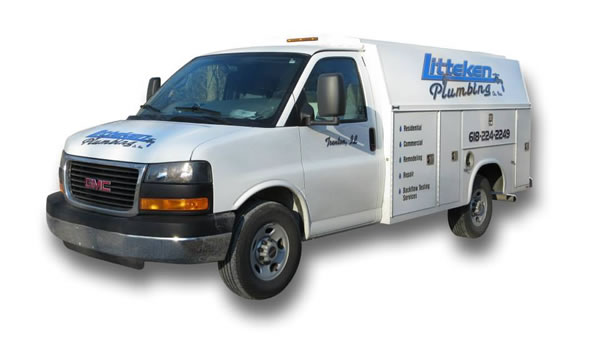
Our licensed plumbers are familiar with the plumbing systems, codes, and needs of the Metro East region, so you can trust Litteken to do the job right.
Schedule Your Sewer Repair Today
Don’t wait for minor sewer issues to become major emergencies. Contact us today to schedule an inspection and ensure your home’s sewer system continues operating smoothly for years to come.